
Explore what a degree in medicine involves, from academic training to clinical learning and long-term career preparation.
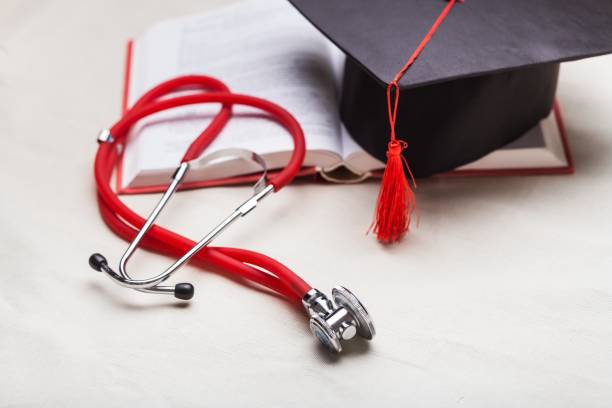
Understanding What a Degree in Medicine Involves
Choosing a university programme is a major decision, especially for students considering a path in healthcare. Among the many professional courses available, a degree in medicine is often seen as one of the most demanding because it combines academic study, clinical training, and long-term professional development. For students who are interested in science, patient care, and lifelong learning, this programme can offer a structured route into the medical field.
A medical programme is not limited to classroom learning. It usually involves a combination of foundational sciences, clinical exposure, communication training, and ethical understanding. Because of this, students should look beyond the title of the course and understand what the journey actually requires before making a commitment.
The Academic Foundation of Medical Study
A degree in medicine usually begins with pre-clinical learning, where students study subjects such as anatomy, physiology, biochemistry, and pathology. These areas provide the scientific foundation needed to understand how the human body functions and how diseases develop. This part of the programme is essential because it supports later clinical decision-making and patient assessment.
As students progress, the learning structure often becomes more integrated. Instead of studying each subject in isolation, they begin to connect scientific knowledge with practical healthcare situations. This shift is important because medicine requires students to apply knowledge in a way that is both accurate and responsible. Academic discipline, time management, and the ability to process a large amount of information are all necessary during this stage.
The Importance of Clinical Training
One of the defining features of a degree in medicine is clinical training. This is where students move from theory-based learning into hospital or healthcare settings, where they begin observing and participating in supervised patient care. Clinical placements help students understand how medical knowledge is used in real situations, while also building communication skills, professionalism, and confidence.
This stage of training is important because medicine is a people-focused profession. Students are not only expected to understand symptoms and treatment approaches, but also to interact respectfully with patients, families, and healthcare teams.
Skills Developed Beyond the Classroom
Medical education also develops a range of transferable skills. Students learn to think critically, assess problems carefully, and make informed judgments based on evidence. They are also trained to work under pressure, communicate clearly, and maintain ethical standards in sensitive situations.
These skills are important because healthcare environments can be complex and demanding. A degree in medicine prepares students not only to learn medical knowledge, but also to act responsibly within professional settings. This broader development is part of what makes the course challenging, but also professionally valuable.
Considering the Long-Term Commitment
Students interested in medicine should recognise that the journey does not end with graduation. A degree in medicine is usually the beginning of a longer pathway that may include housemanship, postgraduate training, and continuous professional development. This makes it different from many other academic programmes, where the degree itself may mark the main endpoint of study.
Because of this, students should choose carefully and make sure they are prepared for both the academic demands and the long-term responsibility involved. Interest in science alone may not be enough. Commitment, resilience, and a genuine interest in patient care are also important.
Conclusion
A degree in medicine offers a structured and rigorous path for students who want to enter the medical profession. It combines scientific knowledge, clinical training, and professional skill development in a way that prepares students for real healthcare responsibilities.
By understanding the academic structure, clinical components, and long-term nature of the course, prospective students can make a more informed decision about whether this path aligns with their goals and strengths.